Peacock Bass & Largemouth Catch in Fort Lauderdale
Bass Fishing in Fort Lauderdale - Peak Action Awaits

Fishing Charter by Captain Luis Lagrange in December

- Top-rated Fort Lauderdale Fishing Charters!


Summary
This thrilling fishing charter captures an explosive double catch - both peacock bass and largemouth bass landed in Fort Lauderdale on Thursday, April 10th. Captain Luis Lagrange delivered an unforgettable day on the water with Bassin' With Capt Lou Guide Service, showcasing the incredible bass fishing that South Florida is known for.
Fishing Charter with Captain Luis Lagrange - Rates & Booking
Captain Luis Lagrange of Bassin' With Capt Lou Guide Service delivered an incredible fishing charter on Thursday, April 10th in Fort Lauderdale. This fishing charter showcases the explosive action available in South Florida waters where multiple bass species collide. Ready to book your own adventure? Contact Captain Luis to reserve your spot and experience the same hard-hitting action captured in these images.
Whether you're a seasoned angler or hitting the water for the first time, Captain Luis brings local expertise and a commitment to putting you on fish. The charter experience includes access to proven fishing grounds and hands-on guidance to maximize your chances at trophy-sized catches.
Highlights of This Exceptional Charter
The standout moment from this trip tells the story - a perfectly timed double catch featuring both peacock bass and largemouth bass. The energy is palpable as these powerful fish hit hard and fight harder. This is the kind of action that defines a memorable day on the water in South Florida.
Fort Lauderdale's unique positioning in South Florida creates premium fishing conditions year-round. Captain Luis knows these waters intimately, understanding where trophy fish congregate and what techniques trigger aggressive strikes. The combination of local knowledge and aggressive tactics creates the perfect recipe for explosive fishing action.
Local Bass Species Insights - Peacock Bass & Largemouth
South Florida is legendary for its bass fishing diversity, and this charter perfectly demonstrates why. Peacock bass - highly aggressive predators originally from South America - have established thriving populations in South Florida's interconnected waterways. These fish are explosive hunters that strike with raw power and fight with relentless intensity. They're built for fast-water hunting and respond aggressively to topwater presentations and live bait.
Largemouth bass, native to Florida's freshwater systems, dominate the state's fishing landscape. These adaptable hunters thrive in South Florida's unique mix of freshwater lakes, canals, and marsh systems. They're ambush predators that lurk near structure - mangrove roots, fallen trees, and dense vegetation - waiting for unsuspecting prey. Both species share aggressive feeding patterns that make them perfect targets for charter fishing in spring months.
Fort Lauderdale's access to multiple fishing zones means anglers experience diverse environments - from clear canal systems to sprawling lakes with abundant cover. Captain Luis strategically moves between prime locations throughout the day, chasing active fish and responding to real-time conditions. This dynamic approach keeps the action flowing and increases your odds of connecting with multiple species.
The combination of peacock bass and largemouth bass in one trip is what makes South Florida fishing special. You're never quite sure what will hit next - the savage strike of an aggressive peacock bass or the determined pull of a powerful largemouth. This unpredictability keeps anglers engaged and creates the kind of memorable moments captured in these images.
Fishing in South Florida: Peacock Bass and Largemouth Bass
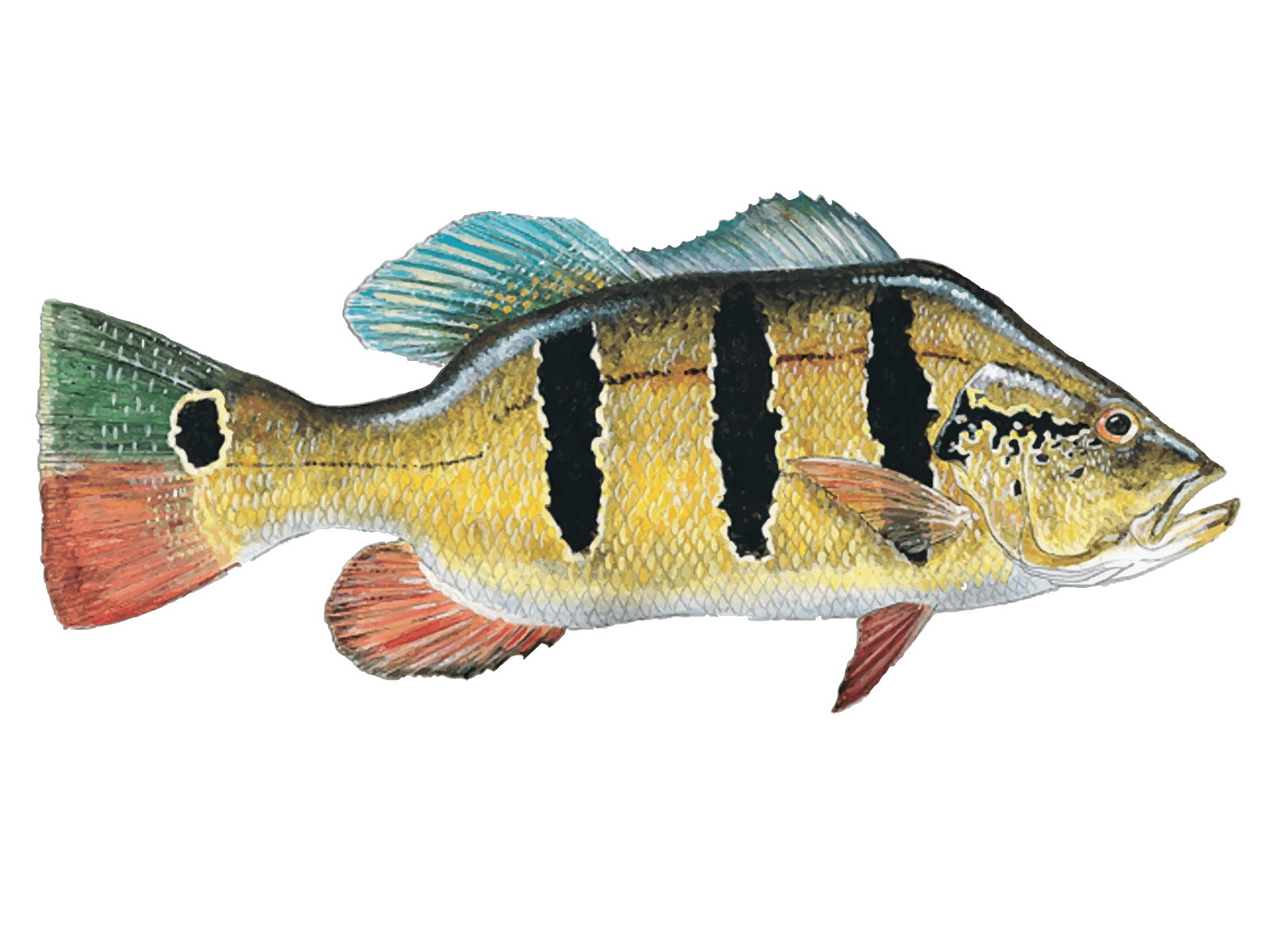
Peacock Bass Overview
The Peacock Bass (Cichla Ocellaris) is one of the most exciting and aggressive freshwater game fish you'll encounter in Florida waters. Belonging to the Cichlidae family and classified in the order Perciformes, this South American import has become a legendary target for anglers seeking a hard-fighting, fast-striking predator. Despite its name, the Peacock Bass isn't actually related to American bass species—it only shares similar size and shape. What sets it apart is its stunning coloration, incredible speed, and its notorious temperament that's earned it the nickname "freshwater bully." When you're fishing around Florida's canals and lakes, especially in the Miami area, you're engaging with one of the most dynamic invasive species success stories in modern fishing history.
Introduced to Florida in 1984 as a biological control measure to manage tilapia and oscar populations, the Peacock Bass has thrived beyond all expectations, becoming an absolute staple of South Florida's recreational fishing scene. Its popularity has skyrocketed among both casual and competitive anglers who appreciate its aggressive strikes, acrobatic fights, and the sheer unpredictability that comes with every cast.
Peacock Bass Habitat and Distribution
This species thrives exclusively in warm freshwater environments and cannot survive in waters below 60 degrees Fahrenheit, which is why Florida—particularly South Florida—remains its stronghold in North America. The Peacock Bass prefers slower-moving waters with plenty of structure, making lakes, ponds, creeks, and the extensive canal systems ideal homes. The 330 miles of interconnected canals spanning Dade, Broward, and Palm Beach counties represent some of the most productive Peacock Bass fisheries anywhere, with populations concentrated throughout these waterways.
These fish gravitate toward shaded habitats, particularly beneath trees, under bridges, and around dense aquatic vegetation. They love areas with fallen timber, rocky structures, and canal intersections where they can ambush prey. The farther south you venture in Florida, the better your odds of finding abundant populations. The species' distribution remains largely confined to Florida's canal system and connected water bodies, making this region the epicenter of North American Peacock Bass fishing.
Peacock Bass Size and Weight
The Peacock Bass grows remarkably fast, and what's truly impressive is how quickly they reach impressive sizes. On average, you can expect fish ranging from 10 to 29 inches in length, with weights typically between 3 to 15 pounds. However, the unofficial record stands at an astounding 35 inches, suggesting there's always potential for encountering a true trophy specimen. Young fish achieve 12 to 14 inches within less than two years, making this one of the fastest-growing game fish in the region.
What makes their growth particularly remarkable is their conversion rate—they can add approximately 1.5 pounds for every additional inch of growth, meaning a 20-inch fish might weigh around 12 to 14 pounds. These fish typically live 6 to 10 years in the wild, providing a solid window of opportunity to encounter different size classes throughout the year. Larger adults often display a prominent nuchal hump on their foreheads, a characteristic that becomes more pronounced with age and spawning cycles.
Peacock Bass Diet and Behavior
The Peacock Bass is an apex predator in its environment and will consume almost any fish smaller than itself. Their preferred prey includes tilapia, oscar fish, crayfish, tadpoles, mosquitofish, minnows, and guppies—hence the term "peacock shiners" used by anglers to describe particularly effective golden shiner baits. Their combination of incredible speed and a massive mouth makes them devastatingly efficient hunters that rarely miss opportunities.
These fish are strictly diurnal hunters, meaning they're most active and aggressive during daylight hours when visibility is optimal for stalking prey. This behavioral trait makes daytime fishing the obvious choice for anglers. During spawning season and peak seasons (March to June and September to December), larger adults become even more aggressive and territorial. The species' coloration intensifies during spawning periods, with yellows, greens, reds, and oranges becoming more vibrant—a visual indicator of their heightened aggression and feeding intensity.
Peacock Bass Spawning and Seasonal Activity
The Peacock Bass spawns between April and September, with peak spawning activity occurring in May and June when water temperatures are ideal. During this period, adult pairs create spawning sites near shorelines on hardened flat surfaces where eggs can be safely laid. Both parents exhibit exceptional parental care, actively defending eggs and fry from predators and even transporting larvae with their mouths to shallow depressions in sediment and rocky structures.
For anglers, understanding this spawning cycle is crucial because fish become extremely territorial and aggressive during these months. Their colors intensify dramatically, making them more visually striking and, paradoxically, more willing to attack lures. The best fishing periods occur during the pre-spawn (March through early April) and post-spawn recovery periods (July through September), as well as during the secondary feeding season from October through December. These peak seasons align with when larger specimens are most readily caught.
Peacock Bass Techniques for Observation and Capture
Casting from Shore: The most popular method involves light spinning or bait-casting tackle with 12 to 15-pound test line. Target rocky, shaded areas such as bridge pilings, canal intersections, points with dense aquatic vegetation, fallen trees, and canal dead-ends. Cast topwater jigs, spoons, or crankbaits in areas where the fish can ambush prey. Peacock Bass doesn't respond well to plastic worms (a key difference from largemouth bass fishing), so focus on hard baits and artificials. Around Miami's canal systems, casting in the early morning or late afternoon into shaded areas near dense vegetation produces explosive strikes.
Live Bait Fishing: Golden shiners—affectionately called "peacock shiners" by Florida anglers—represent the most effective live bait option. These silvery fish trigger aggressive predatory responses from even the most cautious Peacock Bass. Fish them beneath cork floats in deeper areas or drift them through canal systems where structure provides ambush points. Still fishing with live shiners in deeper holes and canal intersections yields consistent results, particularly during the heat of midday when these fish retreat to deeper, cooler water.
Fly Fishing and Trolling: Fly anglers should deploy large streamers, particularly marabou patterns in flashy colors. Trolling with small crankbaits along deeper canal routes allows you to cover more water and locate active fish quickly. Both methods work year-round but produce particularly well during peak seasons. Around South Florida canals, early morning trolling before the sun reaches its zenith can produce multiple strikes within a single outing.
Peacock Bass Culinary and Utilization Notes
The Peacock Bass offers good eating quality with firm, flavorful white meat that responds well to various cooking methods. The flesh has a mild, slightly sweet flavor profile that appeals to most palates, making it a versatile option for grilling, frying, baking, or blackening. Many South Florida restaurants and local guides feature Peacock Bass on their menus, particularly preparations that highlight its delicate texture.
From a sustainability perspective, the Peacock Bass represents an interesting case study—while it's technically invasive in Florida, its presence has actually helped control populations of other invasive species like tilapia and oscar fish. Some conservation-minded anglers view catch-and-release practices as preferable to preserve the sport fishery, while others practice a selective harvest of larger specimens. Check current Florida Fish and Wildlife Conservation Commission regulations regarding size and bag limits before planning your trip. Nutritionally, Peacock Bass provides excellent protein and omega-3 fatty acids comparable to other premium game fish.
Peacock Bass Frequently Asked Questions
Q: What is the best bait or lure for catching Peacock Bass?
A: Live golden shiners—known as "peacock shiners" among local anglers—represent the most effective bait option due to their bright coloration and natural movement. If you prefer artificials, topwater jigs, spoons, and crankbaits consistently produce strikes. Avoid plastic worms, as Peacock Bass responds much better to hard baits and live offerings than they do to soft plastics.
Q: Where can I find Peacock Bass near Miami and South Florida?
A: The extensive canal systems throughout Dade, Broward, and Palm Beach counties offer some of the most accessible and productive Peacock Bass fishing anywhere. Focus on canal intersections, bridge pilings, areas with fallen trees, and dense aquatic vegetation. The 330 miles of interconnected canals in this region virtually guarantee opportunities if you can access the water—many canals border public roads or have public boat launch facilities.
Q: Is Peacock Bass good to eat?
A: Yes, absolutely. Peacock Bass offers firm, white, flavorful meat that compares favorably to other premium game fish. The flesh has a mild, slightly sweet taste that works well with various cooking methods including grilling, frying, baking, and blackening. Many local restaurants feature it on their menus. Always check current Florida Fish and Wildlife regulations regarding harvest limits and size restrictions.
Q: When is the best time to catch Peacock Bass?
A: Peak fishing seasons occur from March through June and again from September through December. During these periods, fish are larger, more aggressive, and more readily caught. Within each day, daytime hours produce the best results since these fish are strictly diurnal hunters. Early morning and late afternoon offer particularly good opportunities, though midday fishing in deeper canal systems remains productive.
Q: How fast do Peacock Bass grow?
A: Peacock Bass is one of the fastest-growing freshwater game fish. Young fish reach 12 to 14 inches within less than two years. They gain approximately 1.5 pounds for every additional inch of length, meaning a 20-inch specimen might weigh 12 to 14 pounds. These fish typically live 6 to 10 years in the wild, providing multiple generations of fishing opportunities.
Q: Why is Peacock Bass called a "freshwater bully"?
A: This nickname stems from their extraordinarily aggressive predatory behavior and territorial nature. Peacock Bass will attack almost any fish smaller than itself, display aggressive dominance behaviors during spawning season, and strike with surprising violence at both live bait and artificial lures. Their combination of speed, large mouths, and fearless hunting style makes them one of the most aggressive freshwater predators in Florida's waterways.

Largemouth Bass Overview
The Largemouth Bass (Micropterus salmoides), belonging to the family Centrarchidae and order Perciformes, stands as the most celebrated game fish in North America. This iconic freshwater species earns its "black bass" nickname from its distinctive olive-green coloring adorned with dark horizontal markings that run along its muscular body. What truly sets the Largemouth Bass apart is its exceptionally large mouth—one that anglers joke could swallow a small duck—with the upper jaw extending well beyond the fish's eyes. Whether you're fishing in a quiet pond near your hometown or tackling a sprawling reservoir, this aggressive predator delivers the kind of thrilling fight that keeps anglers coming back season after season. The species' combination of power, intelligence, and widespread availability makes it the perfect target for everyone from weekend hobbyists to competitive tournament fishermen.
Largemouth Bass Habitat and Distribution
Largemouth Bass thrive in warm, weedy environments where they can ambush unsuspecting prey. They prefer ponds, lakes, and medium-sized water bodies with shallow, muddy bottoms abundant in aquatic vegetation—places where they can hide and hunt effectively. You'll also find them lurking near ditches, creeks, and river systems, though they favor the calmer waters where vegetation provides natural cover. Native exclusively to North America, this species was originally concentrated in eastern and southern states but has since expanded to virtually every state in the Union except Hawaii and Alaska. Due to their popularity as a premier game fish, Largemouth Bass have been intentionally introduced across Europe, Asia, Africa, South America, and Central America. Dense populations now inhabit the warm-water fisheries of the Southeast and Midwest, making regions like Florida, Texas, and California premier destinations for dedicated anglers seeking trophy-class specimens.
Largemouth Bass Size and Weight
An average adult Largemouth Bass typically measures between 15 to 24 inches and weighs anywhere from 2 to 4.5 pounds—respectable catches that provide genuine excitement on the water. However, the species is capable of reaching considerably larger proportions. Maximum documented sizes reach up to 32 inches in length, with the largest specimens on record tipping the scales at over 22 pounds. These trophy-class fish tend to be older and far more experienced than their smaller counterparts, making them considerably harder to catch and infinitely more rewarding when you land one. The sheer size difference between a 3-pound "keeper" and a 20-pound monster dramatically affects the strength of the fight you'll experience, which is why pursuing larger individuals appeals to serious competitive anglers and thrill-seeking weekend fishermen alike.
Largemouth Bass Diet and Behavior
Largemouth Bass are opportunistic predators with an incredibly diverse menu. Their primary diet consists of other fish species including gizzard shad, threadfin shad, golden shiners, bluegills, and catfish—basically any fish small enough to fit into that cavernous mouth. Beyond fin-bearing prey, they're known to consume crayfish, frogs, salamanders, snakes, mice, bats, and virtually any small creature unfortunate enough to swim or crawl nearby. This aggressive feeding behavior stems from their highly evolved sensory systems: they detect prey vibrations through their lateral line (essentially a sixth sense) and possess an exceptionally keen sense of smell. Largemouth Bass are most active during low-light conditions—early morning, late evening, and overcast days—when they venture into shallower water to hunt. They're attracted to red coloring, which is why red-colored lures prove so effective. These fish don't spook easily, displaying remarkable boldness when stalking meals, and they'll aggressively strike offerings that trigger their predatory instincts.
Largemouth Bass Spawning and Seasonal Activity
When Largemouth Bass reach maturity, they follow a predictable spawning cycle that typically occurs from late winter through late spring, with optimal egg-laying temperatures hovering around a steady 60°F or higher. During spawning season, males become especially aggressive and territorial, preparing spawning beds in shallow areas with minimal vegetation or muddy bottoms. After mating, the male assumes sole responsibility for guarding the eggs—a rare display of parental dedication in the fish world. Once the eggs hatch, the fry remain in a tight school beneath their father's protective watch for approximately 3 to 4 weeks before dispersing to find independent hunting grounds. This seasonal behavior creates predictable angling opportunities: pre-spawn periods often produce aggressive feeding as fish prepare for reproduction, spawn periods focus on territorial strikes from protective males, and post-spawn periods see fish recovering in deeper water before gradually returning to shallower feeding zones.
Largemouth Bass Techniques for Observation and Capture
Swim-Bait Method: This approach ranks among the most successful techniques for Largemouth Bass. Both hard varieties (crafted from wood or plastic with integrated hooks) and soft varieties effectively mimic natural forage fish. Cast swim-baits near structure like sunken logs, thick weeds, under bridges, and along shorelines where bass lie in wait. Let the bait move naturally through the water column, and be prepared for explosive strikes. This method works year-round but shines during spring and fall when bass actively feed on baitfish schools.
Dragging Technique: Primarily employed over hard bottoms and non-vegetated areas, dragging utilizes plastic baits rigged with a Carolina rig setup. This slow, methodical presentation allows the lure to bounce along the bottom, creating vibrations and commotion that trigger strikes from bass holding in deeper water. It's particularly effective during summer when fish retreat to cooler depths and proves invaluable for targeting suspended fish over open water expanses.
Wacky Rigging in Shallow Cover: In shallow water and grass-rich areas, wacky fishing with straight worms and a variety of hook styles produces consistent results. Hook the worm through its middle for an erratic, flutter-fall action that bass find irresistible. This technique excels during spring and early summer when vegetation is thick and bass actively patrol shallow hunting grounds. Around major fishing destinations, this method often outproduces other presentations in weedy lakes and ponds.
Additional effective lures include jigs, crankbaits, jerk baits, hoppers, minnows, and plugs. Live bait such as worms and minnows remain reliable classics. For fly fishing enthusiasts, match your rod weight to your target: a 6-weight handles most bass, but opt for an 8-weight when pursuing trophy fish in large lakes and rivers. Use colorful, shiny streamers and poppers that mimic frogs—a dietary staple—especially in murky water where visibility is limited. Weighted flies prove essential for late-summer deep-water fishing when bass retreat to cooler zones.
Largemouth Bass Culinary and Utilization Notes
Yes, Largemouth Bass are good to eat—but with important caveats regarding water quality and preparation. While it's safe to consume this species, the flavor and safety depend heavily on the cleanliness of the water from which it was caught. Fish from clean, clear bodies of water taste significantly better and pose fewer contaminant concerns than those from murky or polluted waters. When handling caught bass for culinary purposes, proper cleaning and storage are essential. Keep the fish on ice immediately after capture, clean it thoroughly, and store it at proper temperatures. Cook with complementary seasonings and techniques—baking, grilling, or pan-frying all work well—to ensure the meat remains firm and delicious. Many fishing enthusiasts enjoy the culinary experimentation aspect of their catch, and when prepared with care, Largemouth Bass delivers a satisfying meal that connects the angler directly to their outdoor experience.
Largemouth Bass Frequently Asked Questions
Q: What is the best bait for catching Largemouth Bass?
A: There's no single "best" bait—success depends on season, water conditions, and location. Swim-baits excel year-round and mimic natural forage effectively. Live shiners and minnows work wonderfully in vegetated areas. Frogs prove deadly in shallow, weedy zones, especially during warm months. Red-colored lures and poppers are particularly effective since this species exhibits a documented attraction to red. Experiment with different presentations to match current conditions.
Q: Where can I find Largemouth Bass near popular fishing destinations?
A: This species inhabits every major freshwater system across North America except in Hawaii and Alaska. Search for them in lakes, ponds, and rivers with warm water and abundant vegetation. Look for shallow, muddy bottoms with weed beds, submerged trees, fallen logs, bridge pilings, and rocky outcroppings where they hide and ambush prey. In larger reservoirs, transition zones between shallow feeding areas and deeper structure hold concentrations of fish during different times of day.
Q: When is the best time to catch Largemouth Bass?
A: Early morning and late evening consistently produce the most aggressive feeding, particularly during spring and fall. Overcast days outperform sunny days since low-light conditions trigger increased activity. Spawning season (late winter through late spring) offers exceptional opportunities, as pre-spawn fish feed aggressively to build energy reserves. Summer presents challenges as heat drives fish to deeper, cooler water, but night fishing and early-morning sessions remain productive. Winter fishing is possible but slower as metabolism and activity levels decrease.
Q: What's the difference between Largemouth Bass and Spotted Bass?
A: Spotted Bass possess a noticeably smaller mouth than Largemouth Bass, making them better suited for consuming smaller prey like crustaceans and insects. Spotted Bass tend toward more aggressive pursuit behavior, actively chasing prey rather than ambushing. Largemouth Bass prefer larger prey like frogs and small fish, employing an ambush strategy from cover. Habitat preferences also diverge: Spotted Bass thrive in clearer water with rocky bottoms, while Largemouth Bass favor murky, vegetation-rich environments. These differences affect fishing technique selection and location scouting.
Q: Is Largemouth Bass a good species for beginner anglers?
A: Absolutely—Largemouth Bass rank among the best choices for beginning anglers. They're abundant, widespread, widely stocked in managed fisheries, and they don't spook easily, offering multiple opportunities for mistakes and still landing fish. Their aggressive feeding behavior and willingness to strike various lure presentations makes them forgiving of imperfect technique. The species provides excellent educational value as you learn to read water, understand seasonal patterns, and develop fundamental angling skills while enjoying consistent success and thrilling fights.
Q: How deep do Largemouth Bass go during different seasons?
A: Depth preference follows seasonal temperature patterns. In spring, bass occupy shallow areas (2-8 feet) with vegetation for spawning and feeding. Summer heat drives them to deeper refuge (15-25 feet or deeper) during midday, though they return to shallows during low-light periods. Fall cooling prompts mid-depth movement (8-15 feet) as fish actively feed throughout the water column. Winter sees bass in their deepest positions (20+ feet) with reduced movement and feeding activity. Understanding these patterns allows strategic location selection throughout the year.