%2Ffit-in%2F250x250%2Fguide_websites%2F20460%2Fimages%2F1737647726569image-2025-01-23t235430.034.png&w=1920&q=100)
/users/a0b82a69-501e-487f-a980-d0297505e412/ratecard/20250809_1051391-mjuhlq0f.jpg)
%2F300x300%2Fusers%2Fa0b82a69-501e-487f-a980-d0297505e412%2Fratecard%2F20250809_1051391-mjuhlq0f.jpg&w=256&q=75)
%2F300x300%2Fusers%2Fa0b82a69-501e-487f-a980-d0297505e412%2Fimages%2Fpeacock-bass-fishing-fl-2864.jpg&w=256&q=75)
%2F300x300%2Fusers%2Fa0b82a69-501e-487f-a980-d0297505e412%2Fimages%2Ffort-lauderdale-fishing-tour-2830.jpg&w=256&q=75)
%2F300x300%2Fusers%2Fa0b82a69-501e-487f-a980-d0297505e412%2Fimages%2Ffort-lauderdale-fishing-tours-2856.jpg&w=256&q=75)
%2F300x300%2Fusers%2Fa0b82a69-501e-487f-a980-d0297505e412%2Fimages%2Ffishing-adventure-fort-lauderdale-2767.jpg&w=256&q=75)
%2F300x300%2Fusers%2Fa0b82a69-501e-487f-a980-d0297505e412%2Fimages%2Ffishing-tour-fun-in-fl-2764.jpg&w=256&q=75)
%2F300x300%2Fusers%2Fa0b82a69-501e-487f-a980-d0297505e412%2Fimages%2Ffishing-tours-fort-lauderdale-2745.jpg&w=256&q=75)
%2F300x300%2Fusers%2Fa0b82a69-501e-487f-a980-d0297505e412%2Fimages%2Ffishing-fort-lauderdale-2697.jpg&w=256&q=75)
%2F300x300%2Fusers%2Fa0b82a69-501e-487f-a980-d0297505e412%2Fimages%2Ffort-lauderdale-fishing-tours-2733.jpg&w=256&q=75)
%2F300x300%2Fusers%2Fa0b82a69-501e-487f-a980-d0297505e412%2Fimages%2Ffort-lauderdale-fishing-tour-2766.jpg&w=256&q=75)
%2F300x300%2Fusers%2Fa0b82a69-501e-487f-a980-d0297505e412%2Fimages%2Fanglers-fishing-tour-florida-2817.jpg&w=256&q=75)
Fort Lauderdale Lake Peacock Bass Capt Lou
 Fort Lauderdale, FL
What you will be catching:
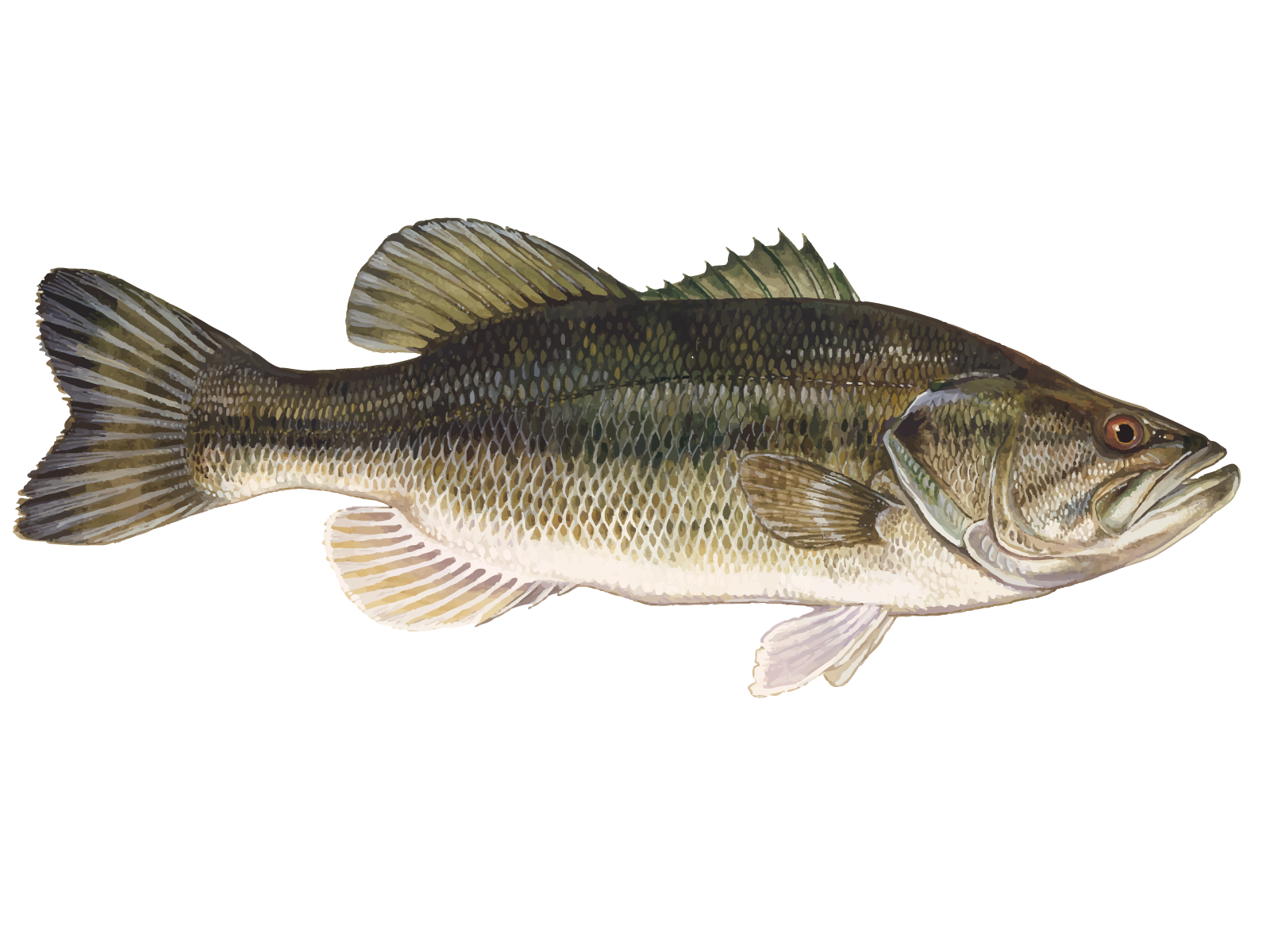 Largemouth Bass
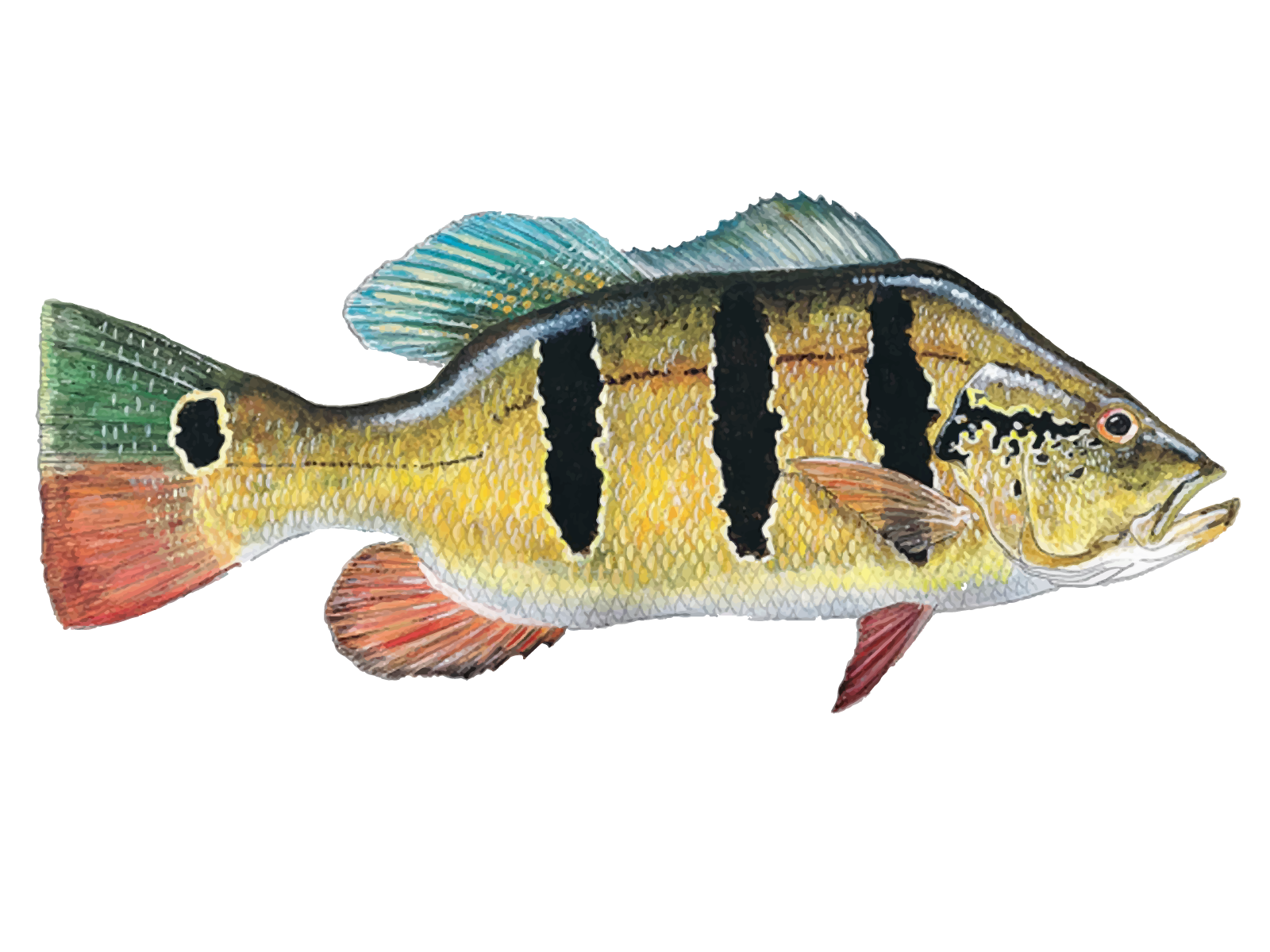 Peacock Bass
- Four-hour Everglades bass fishing targeting peacock and largemouth species
- Captain provides all equipment, instruction, and adapts to daily water conditions
- Maximum two guests ensures personalized attention with water and ice included
Trip Pricing and Availabilities:
Half Day Everglades Bass Fishing with Capt Lou
When you're looking for world-class bass fishing that combines the excitement of peacock bass with the classic fight of largemouth bass, this four-hour guided trip in the South Everglades delivers exactly what serious anglers want. Captain Lou knows these freshwater canals and lakes like the back of his hand, and he's spent years dialing in the patterns that keep both species biting consistently. This isn't some cookie-cutter charter – it's a personalized fishing experience where you'll learn the nuances of Everglades bass fishing while actually catching fish. Whether you're a visiting angler wanting to experience Florida's unique fishery or a local looking to improve your game, this trip puts you on productive water with a guide who adjusts tactics based on real-time conditions.
What to Expect on the Water
Your four hours start early when the bass are most active, and Captain Lou wastes no time getting you into fish-holding areas throughout the South Everglades canal system. This isn't about covering massive amounts of water – it's about working the right spots thoroughly and understanding why bass position themselves where they do in this unique ecosystem. The freshwater areas near Fort Lauderdale offer incredible diversity, from grass-lined canals perfect for peacock bass to deeper pockets where largemouth bass ambush baitfish. Families love this trip because Captain Lou's patient coaching style works equally well for kids casting their first topwater lure and experienced anglers fine-tuning their technique. The boat comes equipped with quality rods, reels, and a full tackle selection, so you're fishing with gear that matches the conditions rather than whatever you happened to bring. Bottled water and ice keep everyone comfortable, and the four-hour timeframe gives you enough water time to really dial in the bite without wearing out younger anglers.
Techniques and Tackle
Captain Lou runs artificial lures as his primary approach, which means you'll learn how to work topwater plugs, soft plastics, and reaction baits that consistently produce in Everglades waters. The artificial game here is incredibly effective – peacock bass absolutely demolish topwater presentations, while largemouth bass respond to properly worked soft plastics around structure and vegetation edges. Live shiners are available for purchase if conditions call for it, but most successful trips rely on artificials that allow you to cover water efficiently and trigger aggressive strikes. The tackle selection includes everything from spinning gear for finesse presentations to baitcasting setups for working heavier cover. Captain Lou watches water conditions closely and adjusts the game plan accordingly – if the morning topwater bite fades, he'll switch to subsurface presentations that keep the action going. This adaptive approach means you're always fishing the most productive techniques rather than stubbornly sticking to one method. The South Everglades system requires local knowledge to navigate effectively, and Captain Lou positions the boat to give you clean casting lanes while staying on productive structure that holds fish consistently.
Top Catches This Season
Largemouth bass in the South Everglades system are built differently than their northern cousins – these fish are thick, healthy, and incredibly aggressive when they decide to feed. They typically range from 2 to 6 pounds, with occasional larger specimens that make your drag sing. The best action usually happens in the early morning hours when bass move shallow to feed, but Captain Lou knows midday patterns that keep the bite going when other anglers are struggling. What makes largemouth bass so exciting here is their willingness to hit topwater baits explosively – there's nothing quite like watching a 4-pound Florida strain largemouth crash a surface plug in crystal-clear canal water. These fish relate strongly to vegetation edges, fallen trees, and canal bends where current creates feeding opportunities. Spring and fall offer the most consistent action, but summer patterns can be outstanding if you know how to adjust your presentation and timing.
Peacock bass are the real stars of South Florida's freshwater scene, and the Everglades system holds some of the best peacock fishing in the continental United States. These exotic gamefish average 1 to 3 pounds but fight like fish twice their size, with blistering runs and aerial displays that keep you on your toes. Peacock bass are sight feeders that love clear water and bright conditions, making them perfect targets for topwater presentations and bright-colored artificials. They're also incredibly structure-oriented, holding tight to docks, seawalls, and vegetation lines where they can ambush small baitfish. The fall and winter months offer peak action when water temperatures drop into their preferred range, but skilled guides like Captain Lou find productive peacock bass throughout most of the year. What anglers love most about peacock bass is their predictable aggression – when you find them, they'll usually eat, and they'll hit your lure with authority that leaves no doubt about the hookset.
Time to Book Your Spot
This half-day Everglades bass trip represents outstanding value for anglers who want to experience Florida's unique freshwater fishery with a guide who knows how to consistently put clients on fish. The two-angler capacity keeps things personal and allows Captain Lou to focus on your specific goals, whether that's learning new techniques, introducing kids to bass fishing, or simply enjoying a morning on productive water. All equipment is included, the meeting location gets confirmed after booking, and you're fishing with someone who adjusts tactics based on current conditions rather than running the same program every trip. The South Everglades system offers fishing opportunities you won't find anywhere else, and this four-hour window gives you enough time to target both species effectively while learning patterns you can apply on future trips. Book early for peak season dates, and come ready to experience some of the best freshwater fishing Florida has to offer.
Learn more about the species
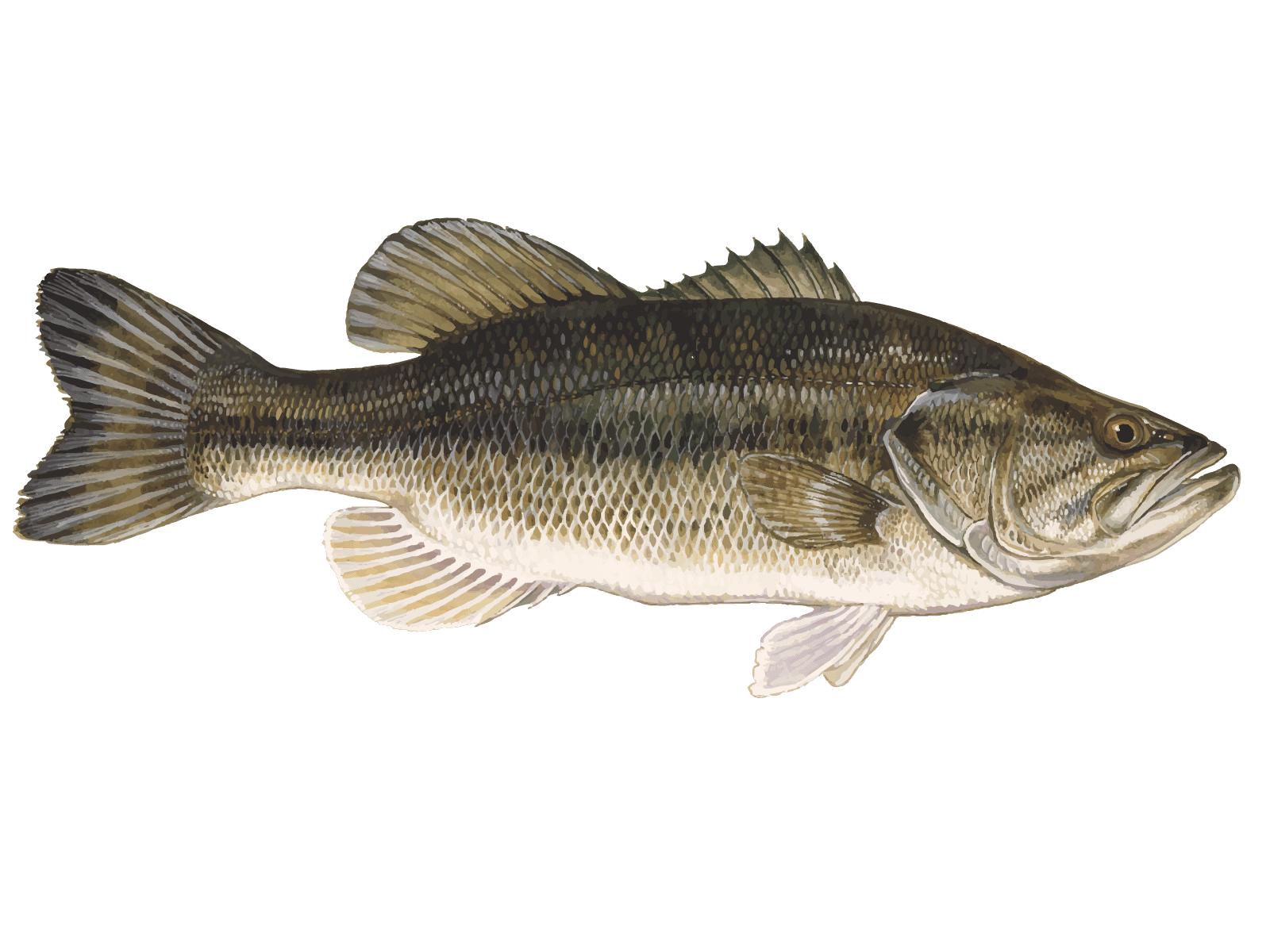
Largemouth Bass
These green giants are what most folks think of when they hear "bass fishing." Running 12-24 inches and 1-4 pounds on average, largemouths love our weedy canals and shallow backwaters throughout the Everglades. They're ambush predators that hide around structure - fallen trees, bridge pilings, thick grass beds - waiting to crush whatever swims by. Spring through fall gives you the best action, especially early morning and late afternoon when they're actively feeding. What makes them special? That famous mouth opens wide past their eyes, and they'll absolutely hammer your lure with aggressive strikes. Plus they fight hard, jumping and shaking their heads trying to throw the hook. My local tip: when you're working those grass lines, don't be afraid to throw your bait right into the thick stuff - that's where the big ones hide.
Peacock Bass
South Florida's exotic fighter that'll change your whole perspective on freshwater fishing. These colorful bruisers average 12-14 inches but pack serious attitude in a compact package. Originally from South America, they've made our warm canals home since the '80s and can't survive water below 60 degrees. Look for them around rocky areas, bridge shadows, and canal intersections during daylight hours - they're daytime hunters unlike most bass. Peak action runs March through June and September through December when they're most aggressive. What sets them apart? Pure violence when they hit your lure, plus those stunning yellow, green, and orange colors with that signature eyespot on the tail. They're called "freshwater bullies" for good reason. Pro tip: forget the plastic worms - these guys want live golden shiners or flashy topwater lures that make noise and commotion.

About the Vexus AVX 1880
%2F%2Fusers%2Fa0b82a69-501e-487f-a980-d0297505e412%2Fvehicle_picture%2Fimage-2025-01-23t225954.117.png&w=1920&q=75)
Vehicle Guest Capacity: 3
Manufacturer Name: Mercury ProXs
Maximum Cruising Speed: 42
Number of Engines: 1
Horsepower per Engine: 115